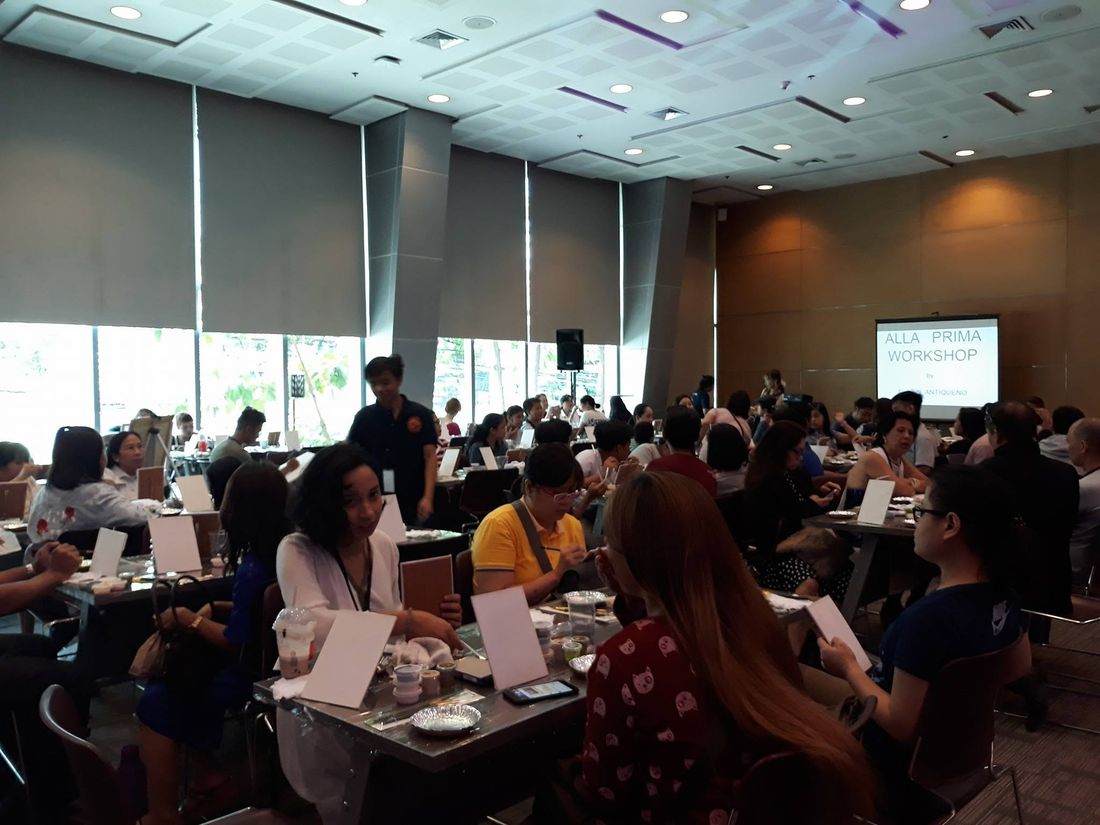
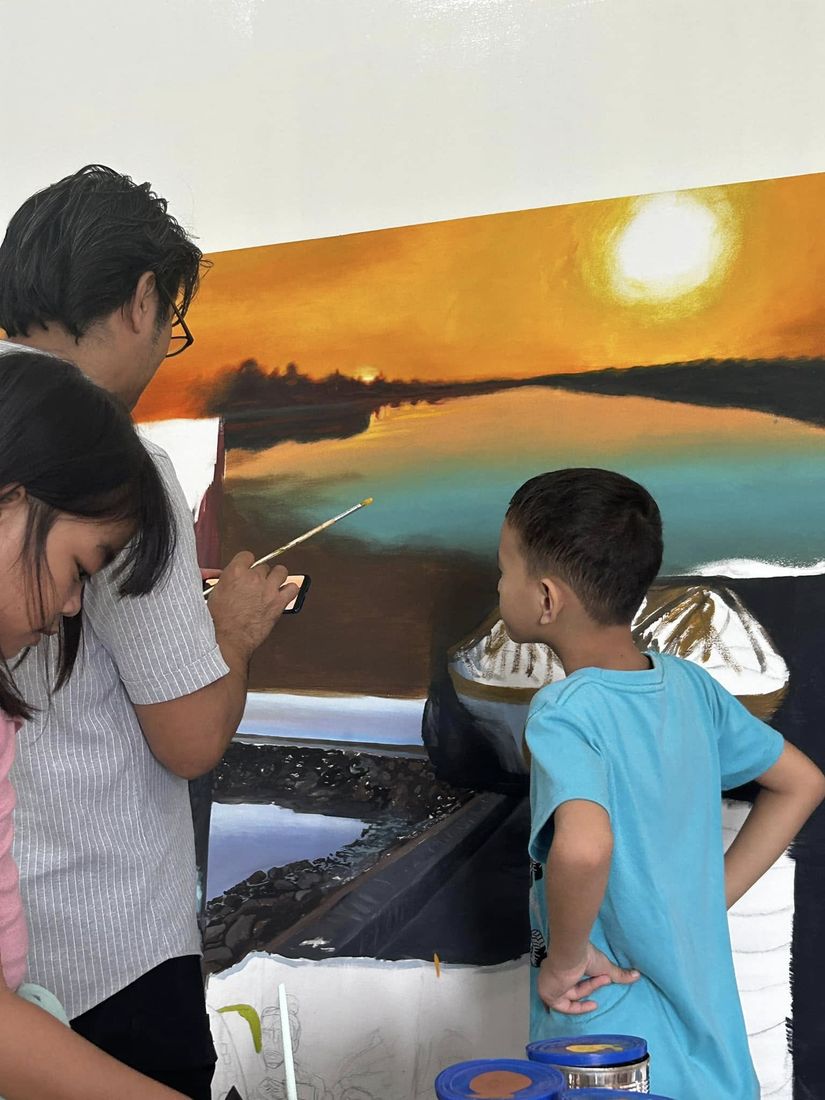
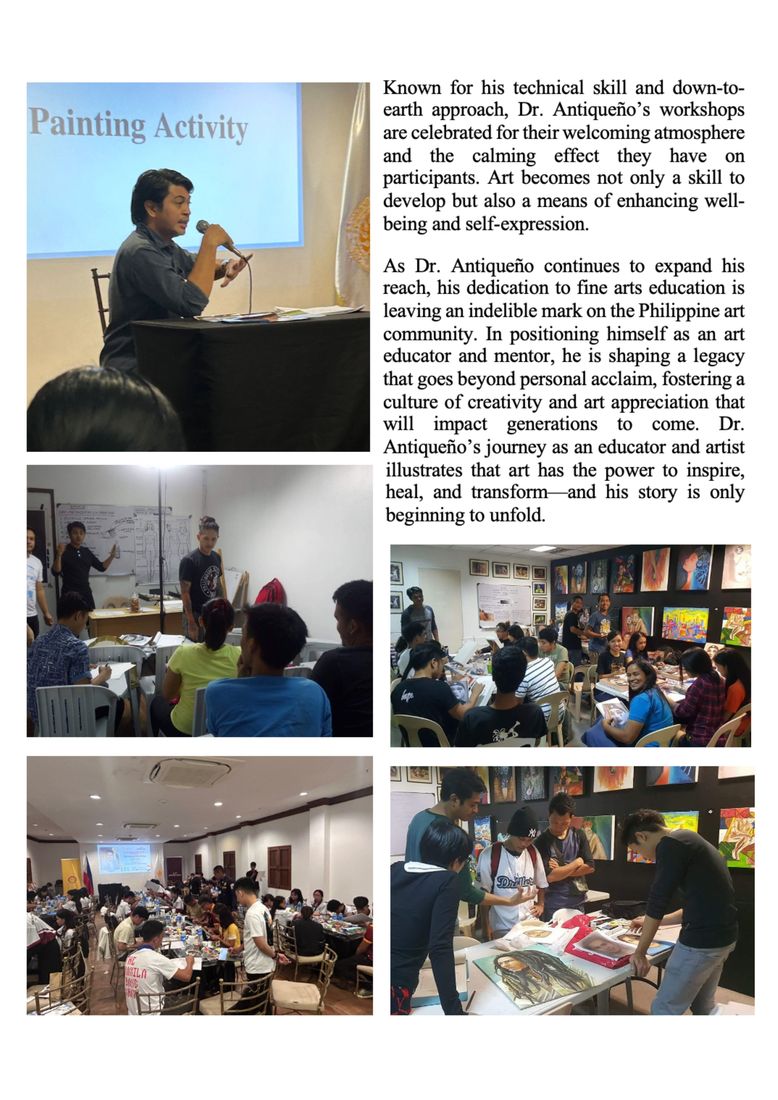
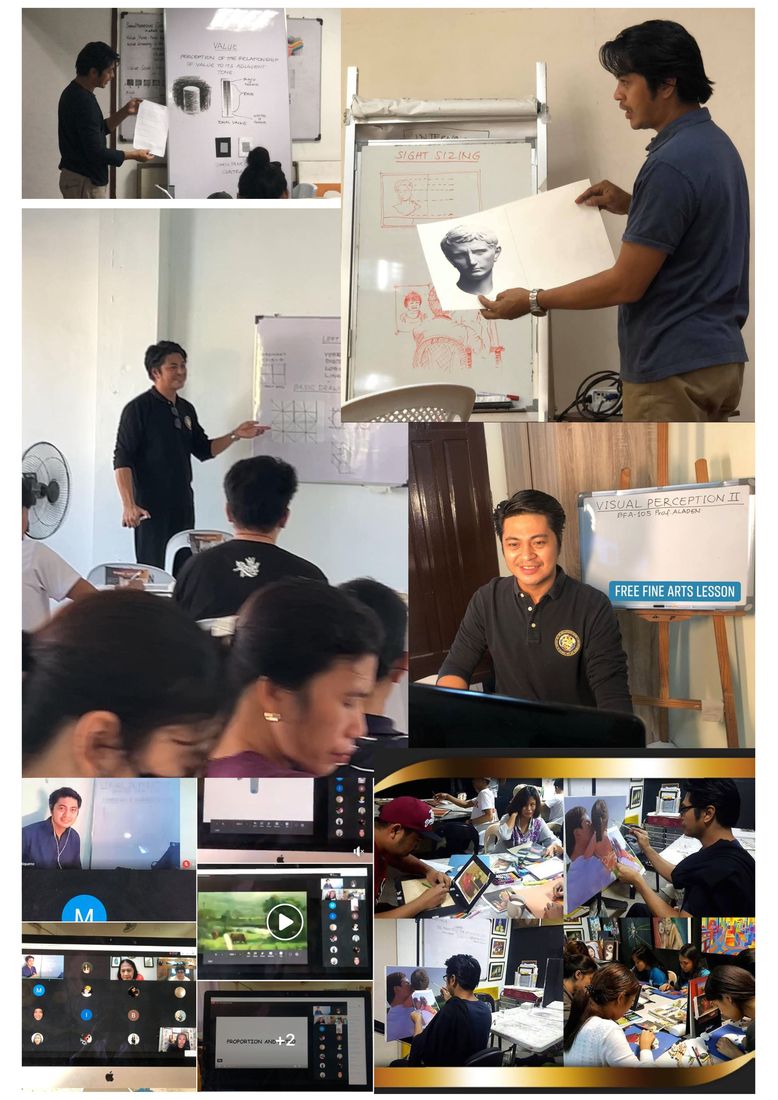
Across more than two decades of dedicated teaching — at GK College as Dean, through the GK Artists' Academy, through nationwide free workshops across twelve provinces and three island groups, and through the Antiqueño Scholarship — Dr. Antiqueño has mentored thousands of Filipino artists.
What distinguishes his teaching is not merely technical instruction but the transmission of a philosophy: that art is a form of service, and that Filipino life and culture are worthy subjects of the highest artistic ambition.
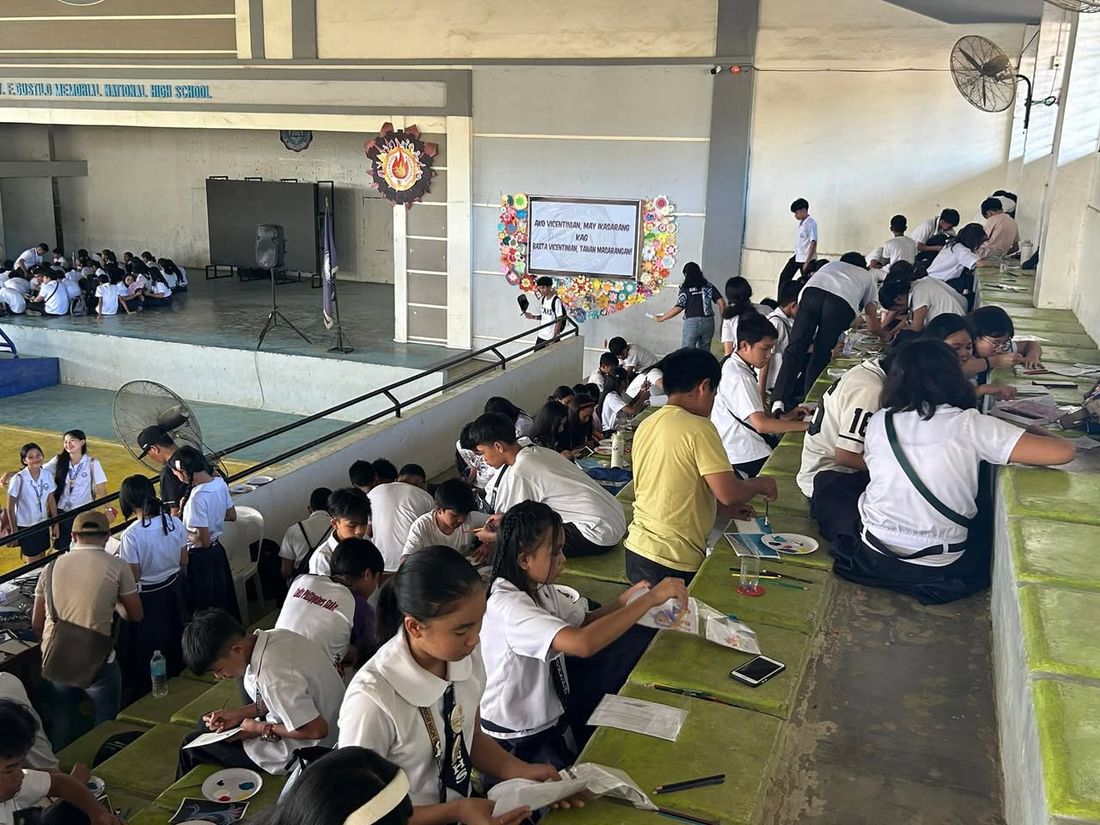
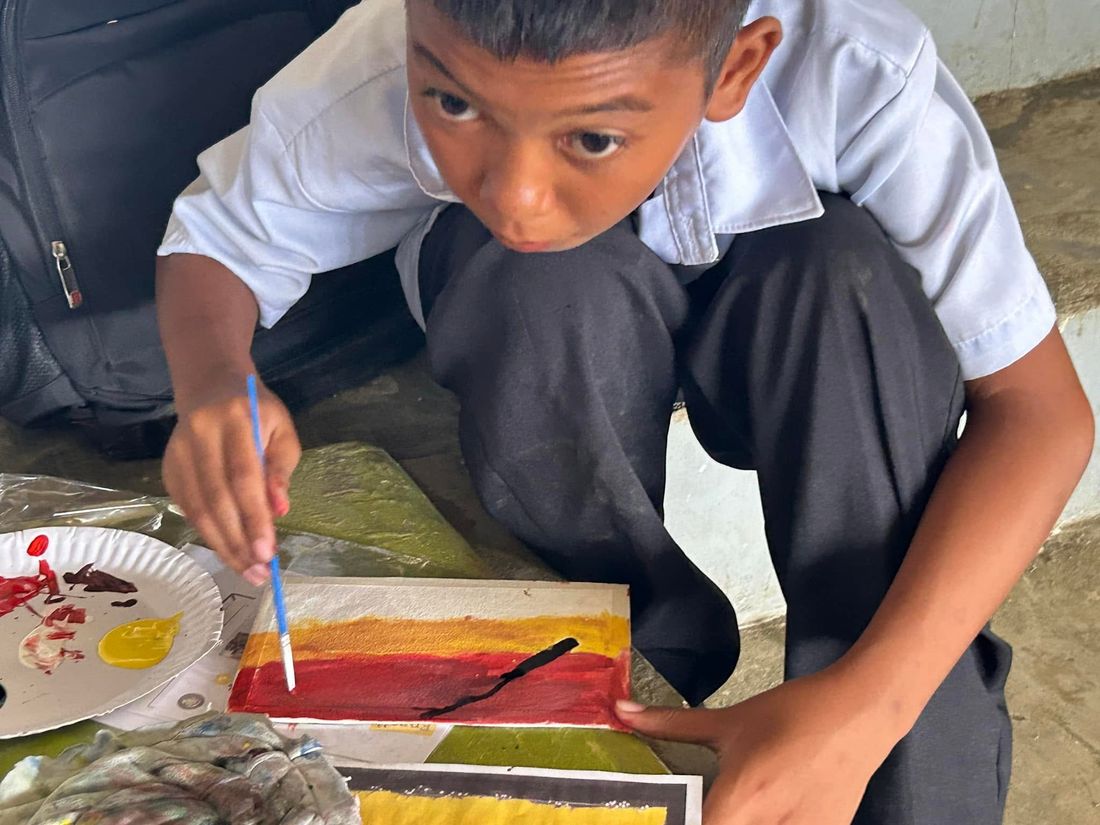
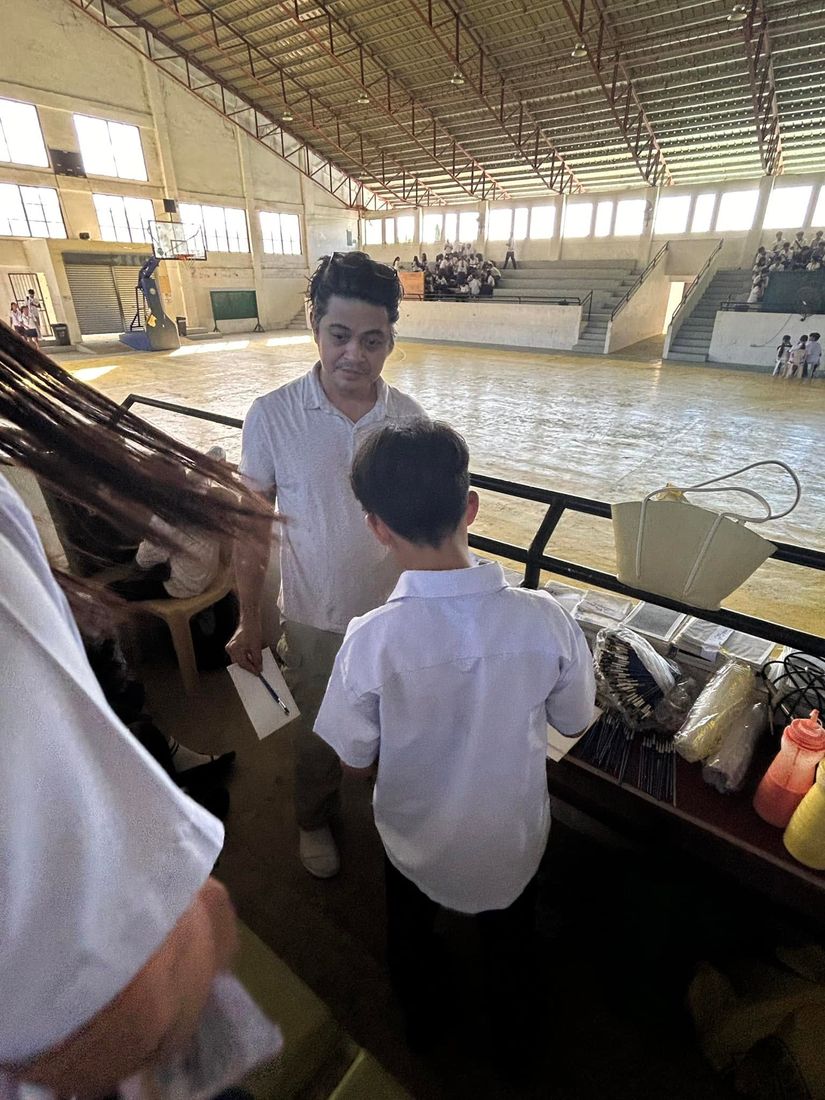
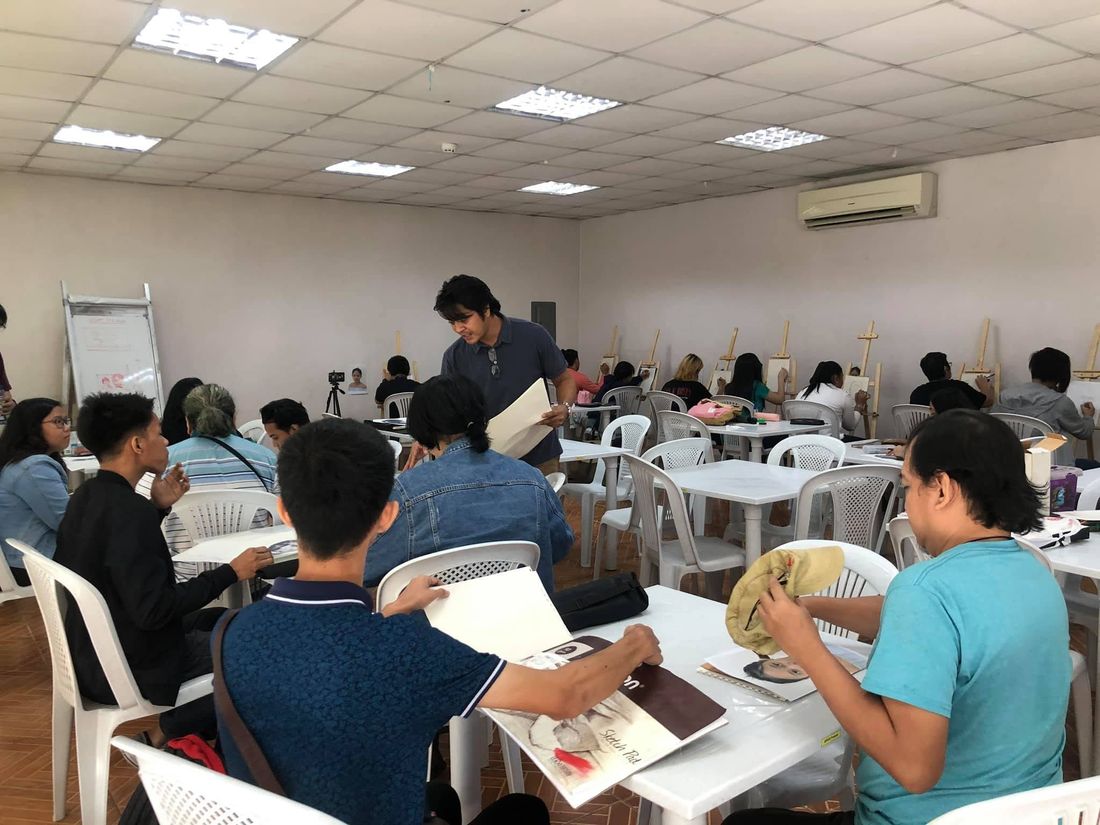
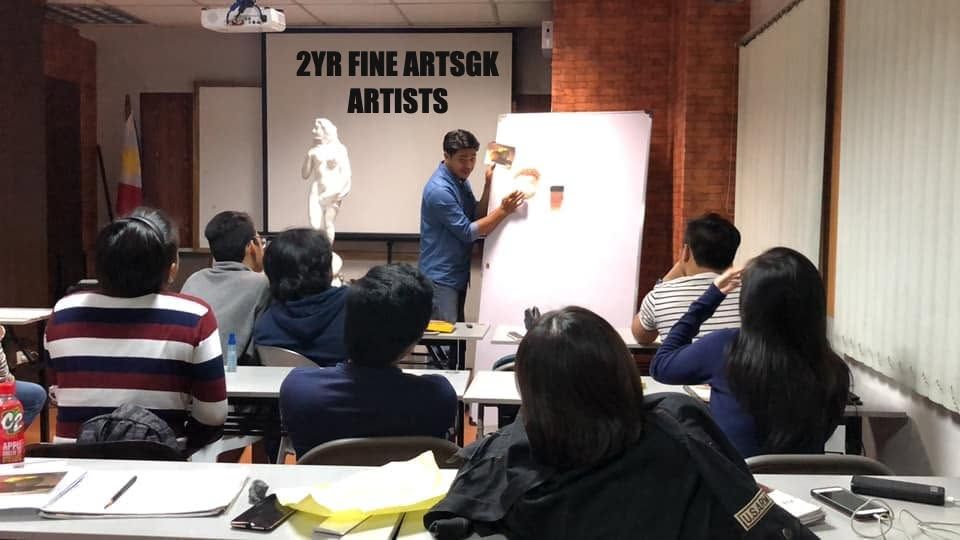
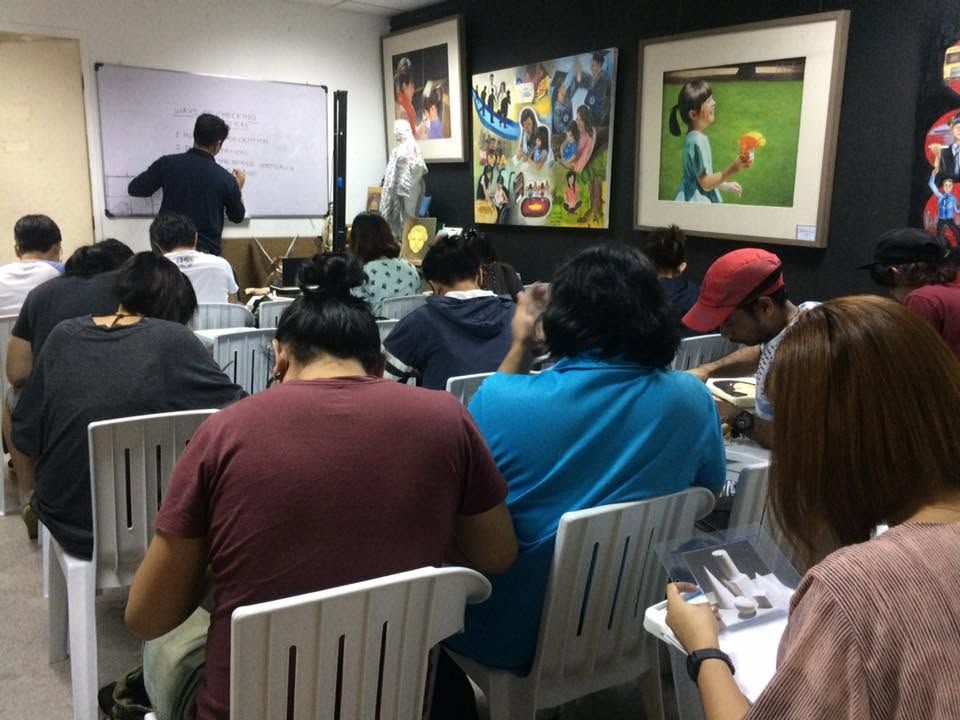
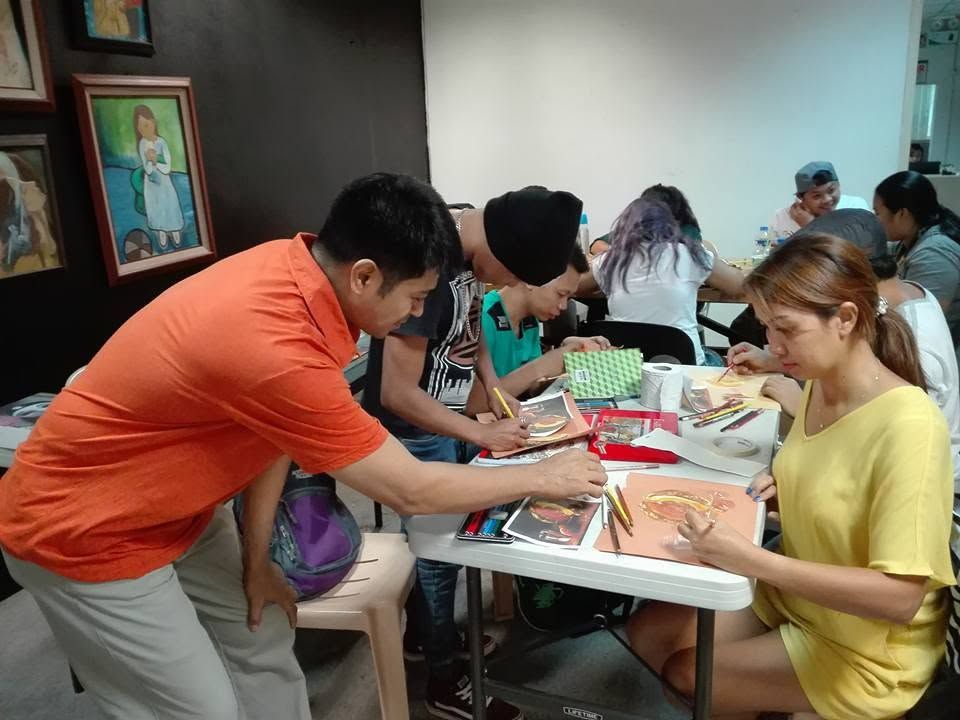
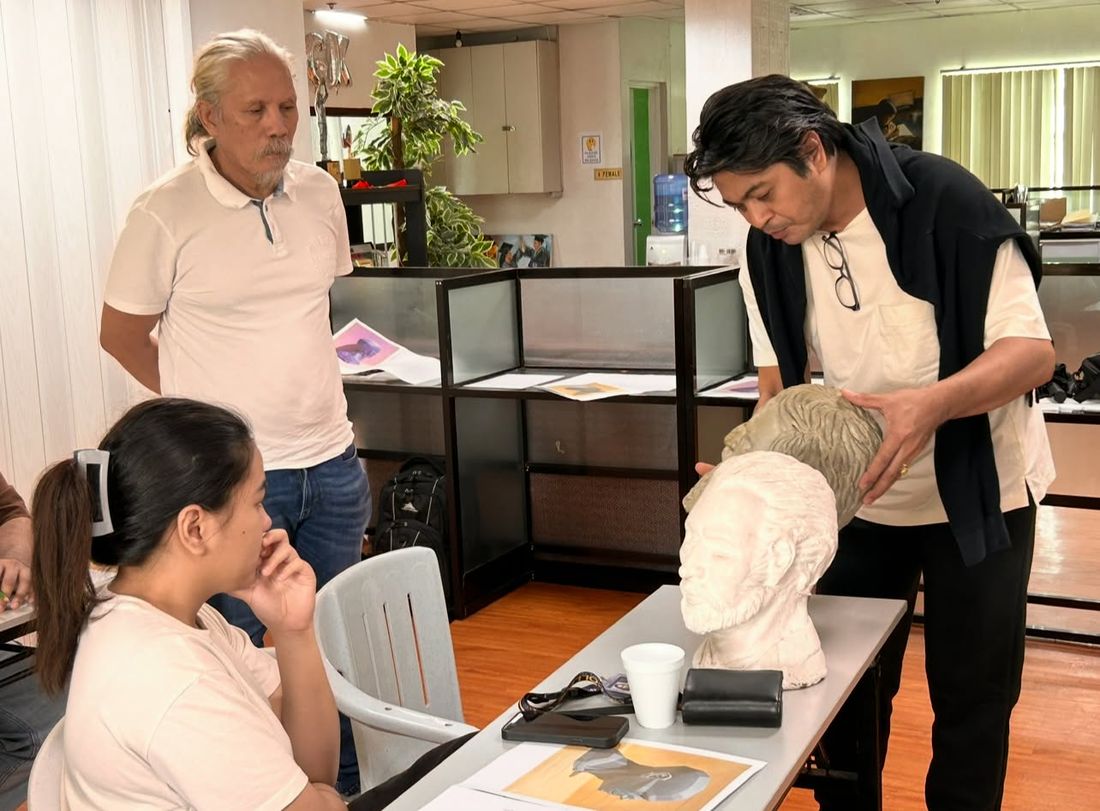
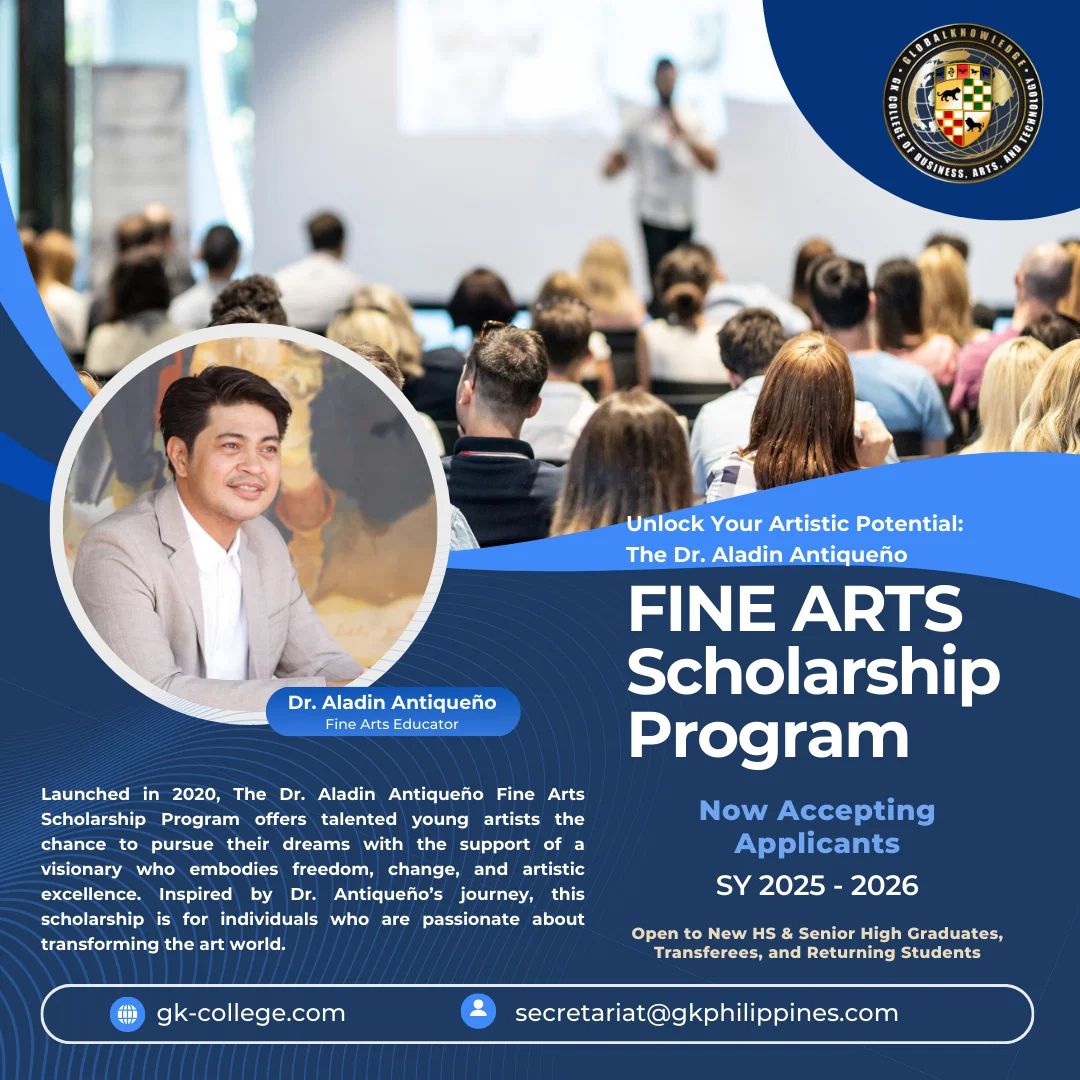
Launched in 2021, the Antiqueño Scholarship for the Arts provides fully funded fine arts education for talented Filipinos selected by talent, not financial means. No age limit. No geographic requirement.
The scholarship has produced national competition prize winners, college art educators, and artists who now serve communities that would otherwise have had no access to formal arts training.
Ranier Bolivar — a scholarship recipient — has already won multiple national competition grand prizes and now teaches in the atelier that trained him. The loop is closed.
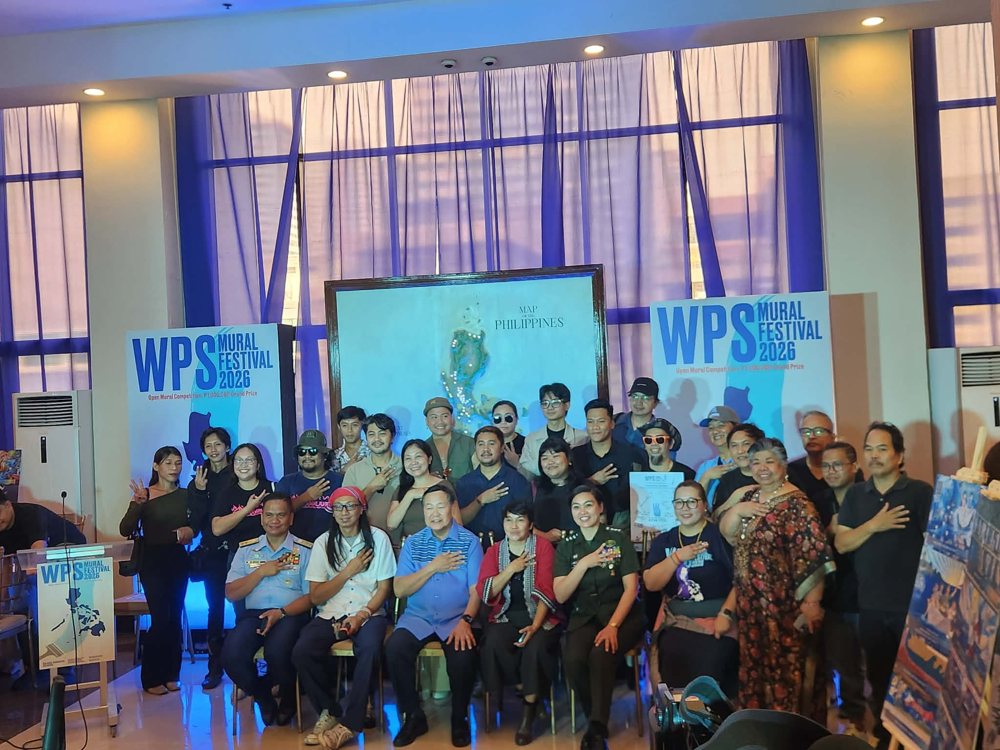
The most consequential recent development is also the least like anything earlier in this record. Dr. Antiqueño and his students have joined the WPS Mural Festival 2026 — an open mural competition, organized with a ₱1,000,000 grand prize, taking the West Philippine Sea as its subject and drawing in participants alongside uniformed officers of the Armed Forces and the Philippine Coast Guard.
It marks a genuine widening of register: from studio canvases preserving a private and provincial childhood to a public mural project engaging a live question of national sovereignty and maritime identity.
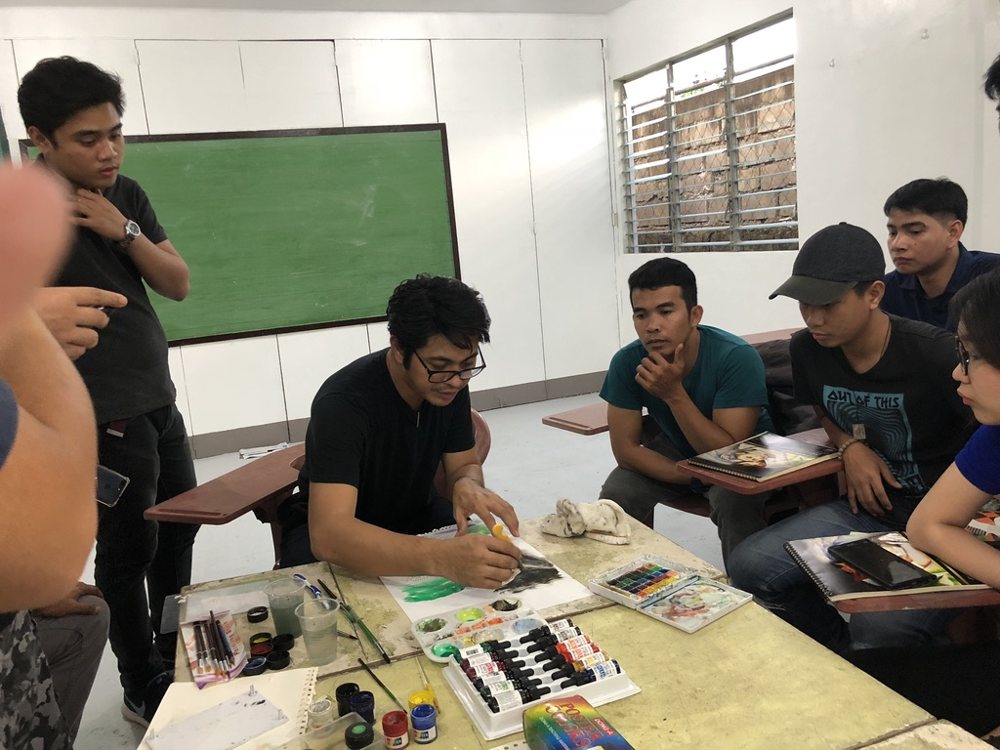
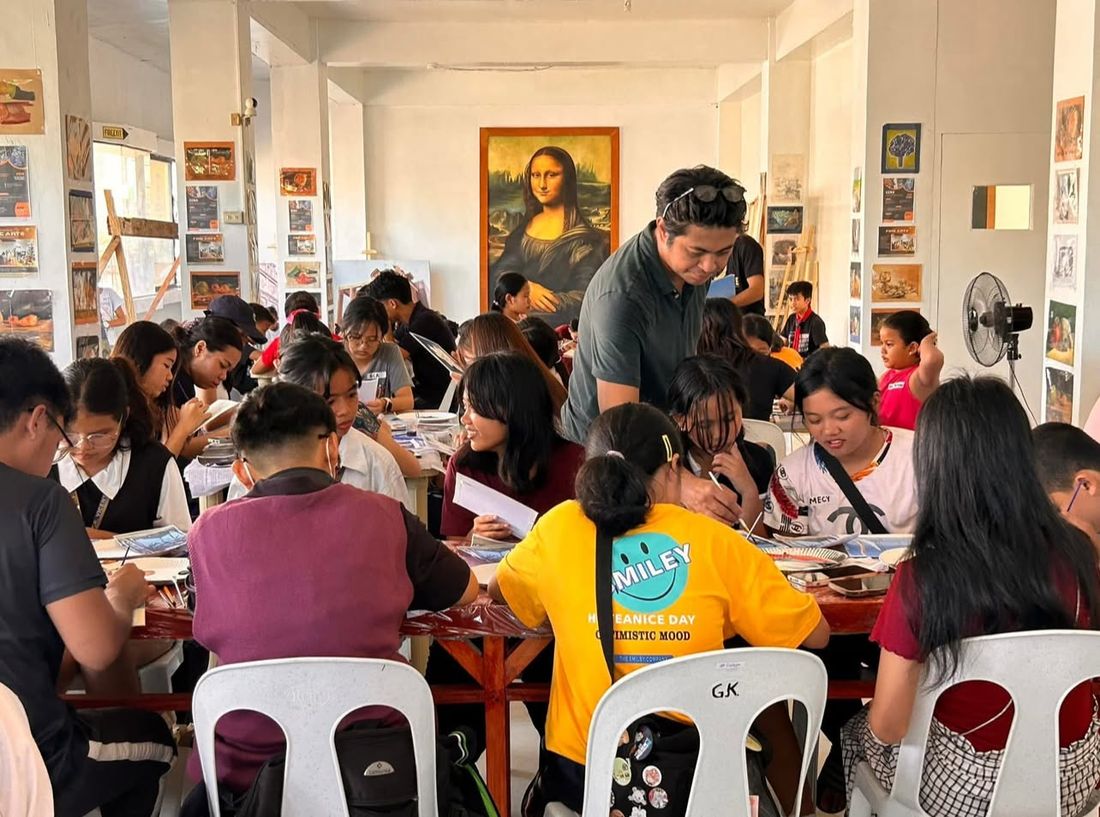
Dr. Antiqueño is, as of this writing, the sitting Dean of Fine Arts at GK College — not a founder emeritus, but a working dean who continues to teach studio classes himself. A table of students, watercolor sets open, the artist seated among them rather than lecturing from the front: the same posture described elsewhere as putting the method "in a curriculum where an eighteen-year-old can enroll in it" — still being enacted, term after term.
Hear directly from students and scholars on the Testimonials page.